- The longlist for the 2013 Man Booker Prize is out, and it is being hailed as one for the ages. Robert Macfarlane, this year's chair of judges, said: "This is surely the most diverse longlist in Man Booker history: wonderfully various in terms of geography, form, length and subject. These 13 outstanding novels range from the traditional to the experimental, from the first century AD to the present day, from 100 pages to 1,000, and from Shanghai to Hendon." Head over to Guardian UK to read more about this impressive list!
- July is National Ice Cream Month here in America (yes...we'll celebrate anything) and Quirk Books is celebrating by coming up with some literary themed flavors. Want to try some "War and Peach"? How about "Clockwork Orange Creamsicle"? Here's hoping Ben & Jerry's takes the hint and gives us the chance to eat our favorite books.
- Publishers Penguin Books and Random House have completed a merger that will give them a huge share of the global book publishing market. The combined companies will control more than 25 percent of the book business, with more than 10,000 employees, 250 independent publishing imprints and about $3.9 billion in annual revenues. Read the full report on the pros and cons from the NY Times.
- The Bank of England is going to be putting a woman on one of their bank notes for only the third time in history (excluding Queen Elizabeth II). Plans have been announced to put Jane Austen on the 10 Pound bank note. But while most are praising the choice of person, some are not so happy with the quote to be placed on it alongside her. The words “I declare after all there is no enjoyment like reading!” Mr. Mullen pointed out, were actually spoken by Caroline Bingley, a minxy conniver who sidles up to Mr. Darcy in “Pride and Prejudice” and merely pretends to read a book to impress him. What do you think? Is this a decent choice, or should they look for a more fitting quote from one of English lit's leading ladies?
Sunday, July 28, 2013
And That's the Way It Is...
I hope all of you are enjoying your summer (or winter if you happen to live in the southern hemisphere)! There are lots of cool things that have been happening in the literary world over the past few weeks. Here are some of the things that have grabbed my attention:
Sunday, July 21, 2013
Too Busy for Books
It is no secret that modern life is moving faster than it ever has before. We are a world that is plugged in and on the go 24/7. While it has created innovations that make our lives more efficient, it has also robbed us and our children of some values and pastimes. A report entitled Is Children's Reading a Casualty of Modern Life? for the Children's Media Conference in the UK suggests that today's children are missing out on the pleasure of reading. Some of it blames strict educational standards for not allowing teachers to really encourage reading:"...82% of teachers blame the government's 'target-driven' education policies for the fact that fewer children are reading for pleasure. They believe that a 'straitjacket' of regimented schooling is squeezing young people's ability to read more widely. Two-thirds of teachers polled said they lacked time in the school day to introduce a variety of books and that this was a 'major barrier to being able to develop a level of reading'".
Other reports also suggest that technology is changing the way children interact with the world around them and that they are becoming more likely to spend time in front of a screen than with a book:
"Touch-screen phones and tablets are intuitive to children," it said, and predicted a period of "awkwardness" as everyone else adapts. By 2018, children's television will have adopted the presence of this second screen, and it "will be odd not to have children at home drawing along on tablets and then having these appearing live in the show".
While I don't think that all technology is is inherently bad for children, I do think that parents are going to have to take more responsibility for their child's reading habits. As our lives become busier, it is often easier to let the digital nannies keep the kids amused while we catch up on chores, work, sleep, or our own pleasures. Bedtime stories have given way to bedtime movies and games. But while this makes our lives seem less stressful, I don't think that it is ultimately the best thing for children. I know that some of my best childhood memories have less to do with watching television and more to do with the great books my mom (and dad) would read to us before bed.
What do you think about this trend? Is there a way to change it? How do you balance modern conveniences with traditional pastimes? Share your thoughts here.
Wednesday, July 17, 2013
The Snow Child
“In my old age, I see that life itself is often more fantastic and
terrible than the stories we believed as children, and that perhaps
there is no harm in finding magic among the trees.”
One of the beautiful things about fairy tales is their continued relevance in our modern world. Though we may cast it in a new shape to suit our present times, the essence and beauty of the story remains and connects us to generations past. In her debut novel, journalist and bookseller Eowyn Ivey takes an obscure Russian fairy tale and sets it in the harsh and beautiful landscape of her native Alaska. The Snow Child would go on to garner much praise and was even a finalist for the 2013 Pulitzer Prize.
The Plot:
Set in the Alaskan wilderness of 1920, The Snow Child tells the story of Jack and Mable who have newly arrived from the milder climate of Pennsylvania to homestead. The backbreaking work of the farm, the depression and loneliness of the long winter nights, and the memory of a lost child all combine to push their relationship to the breaking point. In a brief moment of levity, Jack and Mable play in the first snowfall and build a snow child. The next morning, the snow child is gone, and a little blond haired girl appears on the edge of the forest.
The girl (named Faina) soon becomes a regular visitor, and Jack and Mable begin to have differing views of her origins. Mable has an unshakable belief that Faina is the embodiment of a fairy tale her father read to her long ago. Jack discovers information that convinces him that her tragic past is all too real. As time passes and Faina appears and disappears with the snow, Jack and Mable come to love her as their own. But life in Alaska is harsh, and not even the snow maiden is immune to the change of the seasons.
My Review (Caution - Spoilers):
I'm not entirely sure how this book showed up on my radar, but there was something about it that made me want to read it. Maybe it was the fact that the author's name was Eowyn (you know her parents had to be pretty awesome people). Maybe it was the idea of a story set against the harsh Alaskan wilderness that is a complete mystery to this Southern girl. Maybe it was the magical realism that the plot promised. Whatever the reason, I soon found myself curling up and losing myself within the pages of this delightful little book.
There is a lot that Ivey gets right in this book. Her portrayal of sadness, loneliness, and disconnect are beautifully portrayed through Jack and Mable. Throughout the entire novel there is a sad and forlorn tone that somehow makes it easier to connect to the couple. Their pain is stark and real, and their inability to talk about it with each other leads their marriage onto thin ice (literally in Mable's case). It is only when they allow themselves to open up to the people and beauty around them that they can begin to reconnect to one another. The character of Faina serves as a tool to draw out the characters of Jack and Mable. We are never really allowed to connect with her and she remains this mysterious being on the edge (and yet at the center) of the story. We are never really sure if she is the real child that Jack believes her to be, or the fairy child the Mable knows her to be.
The other thing that Ivey does really well throughout this novel is painting the picture of her home. She is able to bring Alaska to life in all of its raw, powerful glory. “She looked directly up into the northern lights and she wondered if those cold-burning specters might not draw her breath, her very soul, out of her chest and into the stars.” Whether it is the gentle spring evening or the harsh winter night, we are left in no doubt that nature is the true master here. It is only when Mable and Jack learn to work together that they can truly create a home out of the wilderness.
Having said all of this, The Snow Child is not a perfect book. I think my biggest disappointment was in the ending. After the build up of Faina's mysterious existence, her demise was a bit of a let down. I was left somewhat confused by the end and wondered why she melted away outside in the snow rather than in the height of summer. Also, some of the praise for the book compares her writing to that of Willa Cather, F. Scott Fitzgerald, and Gabriel Garcia Marquez and while it is not bad, it isn't THAT good.
While this isn't a literary masterpiece, it is still a wonderful read. It is magical and brutal at the same time, and though I found the ending disappointing, I still enjoyed it overall. The tragic, unspoken pain of Jack and Mable's relationship and the wonderful description's of Alaska's stark beauty bring a lot to this story. A nice debut for Eowyn Ivey.
Note: If you like re-tellings of classic fairy tales or myths, I highly recommend C. S. Lewis' "Till We Have Faces". It is an incredible recreation of the Cupid/Psyche myth that is at once powerful and convicting. You will get the most out of it if you read his nonfiction book "The Four Loves" first.
One of the beautiful things about fairy tales is their continued relevance in our modern world. Though we may cast it in a new shape to suit our present times, the essence and beauty of the story remains and connects us to generations past. In her debut novel, journalist and bookseller Eowyn Ivey takes an obscure Russian fairy tale and sets it in the harsh and beautiful landscape of her native Alaska. The Snow Child would go on to garner much praise and was even a finalist for the 2013 Pulitzer Prize.
The Plot:
Set in the Alaskan wilderness of 1920, The Snow Child tells the story of Jack and Mable who have newly arrived from the milder climate of Pennsylvania to homestead. The backbreaking work of the farm, the depression and loneliness of the long winter nights, and the memory of a lost child all combine to push their relationship to the breaking point. In a brief moment of levity, Jack and Mable play in the first snowfall and build a snow child. The next morning, the snow child is gone, and a little blond haired girl appears on the edge of the forest.
The girl (named Faina) soon becomes a regular visitor, and Jack and Mable begin to have differing views of her origins. Mable has an unshakable belief that Faina is the embodiment of a fairy tale her father read to her long ago. Jack discovers information that convinces him that her tragic past is all too real. As time passes and Faina appears and disappears with the snow, Jack and Mable come to love her as their own. But life in Alaska is harsh, and not even the snow maiden is immune to the change of the seasons.
My Review (Caution - Spoilers):
I'm not entirely sure how this book showed up on my radar, but there was something about it that made me want to read it. Maybe it was the fact that the author's name was Eowyn (you know her parents had to be pretty awesome people). Maybe it was the idea of a story set against the harsh Alaskan wilderness that is a complete mystery to this Southern girl. Maybe it was the magical realism that the plot promised. Whatever the reason, I soon found myself curling up and losing myself within the pages of this delightful little book.
There is a lot that Ivey gets right in this book. Her portrayal of sadness, loneliness, and disconnect are beautifully portrayed through Jack and Mable. Throughout the entire novel there is a sad and forlorn tone that somehow makes it easier to connect to the couple. Their pain is stark and real, and their inability to talk about it with each other leads their marriage onto thin ice (literally in Mable's case). It is only when they allow themselves to open up to the people and beauty around them that they can begin to reconnect to one another. The character of Faina serves as a tool to draw out the characters of Jack and Mable. We are never really allowed to connect with her and she remains this mysterious being on the edge (and yet at the center) of the story. We are never really sure if she is the real child that Jack believes her to be, or the fairy child the Mable knows her to be.
The other thing that Ivey does really well throughout this novel is painting the picture of her home. She is able to bring Alaska to life in all of its raw, powerful glory. “She looked directly up into the northern lights and she wondered if those cold-burning specters might not draw her breath, her very soul, out of her chest and into the stars.” Whether it is the gentle spring evening or the harsh winter night, we are left in no doubt that nature is the true master here. It is only when Mable and Jack learn to work together that they can truly create a home out of the wilderness.
Having said all of this, The Snow Child is not a perfect book. I think my biggest disappointment was in the ending. After the build up of Faina's mysterious existence, her demise was a bit of a let down. I was left somewhat confused by the end and wondered why she melted away outside in the snow rather than in the height of summer. Also, some of the praise for the book compares her writing to that of Willa Cather, F. Scott Fitzgerald, and Gabriel Garcia Marquez and while it is not bad, it isn't THAT good.
While this isn't a literary masterpiece, it is still a wonderful read. It is magical and brutal at the same time, and though I found the ending disappointing, I still enjoyed it overall. The tragic, unspoken pain of Jack and Mable's relationship and the wonderful description's of Alaska's stark beauty bring a lot to this story. A nice debut for Eowyn Ivey.
Note: If you like re-tellings of classic fairy tales or myths, I highly recommend C. S. Lewis' "Till We Have Faces". It is an incredible recreation of the Cupid/Psyche myth that is at once powerful and convicting. You will get the most out of it if you read his nonfiction book "The Four Loves" first.
Sunday, July 14, 2013
Liberte, Egalite, Fraternite!
Today is Bastille Day, the day that the people of France celebrate the moment they overthrew a tyrannical king and created a democratic society (for a while, anyway). The French Revolution is perhaps one of history's most confusing, dichotomous, and riveting moments. And it makes for some great literature. Jonathan Grimwood over at The Guardian has created a list of his choices for the top 10 novels about this epic moment in western civilization. They are:
#1: Les Liaisons Dangereuses by Pierre Choderlos de Laclos
#2: A Tale of Two Cities by Charles Dickens
#3: The Scarlet Pimpernel by Baroness Orczy
#4: The Duel by Joseph Conrad
#5: Scaramouche by Rafael Sabatini
#6: The Glassblowers by Daphne du Maurier
#7: Napoleon Sympathy by Anthony Burgess
#8: A Place of Greater Safety by Hilary Mantel
#9: Our Lady of the Potatoes by Duncan Sprott
#10: Pure by Andrew Miller
Are any of your favorites on this list? Do you have another favorite novel set during this period? Let us know, and take a moment to celebrate the good things the French have given us. Vive la France!
#1: Les Liaisons Dangereuses by Pierre Choderlos de Laclos
#2: A Tale of Two Cities by Charles Dickens
#3: The Scarlet Pimpernel by Baroness Orczy
#4: The Duel by Joseph Conrad
#5: Scaramouche by Rafael Sabatini
#6: The Glassblowers by Daphne du Maurier
#7: Napoleon Sympathy by Anthony Burgess
#8: A Place of Greater Safety by Hilary Mantel
#9: Our Lady of the Potatoes by Duncan Sprott
#10: Pure by Andrew Miller
Are any of your favorites on this list? Do you have another favorite novel set during this period? Let us know, and take a moment to celebrate the good things the French have given us. Vive la France!
Wednesday, July 10, 2013
The Great Gatsby
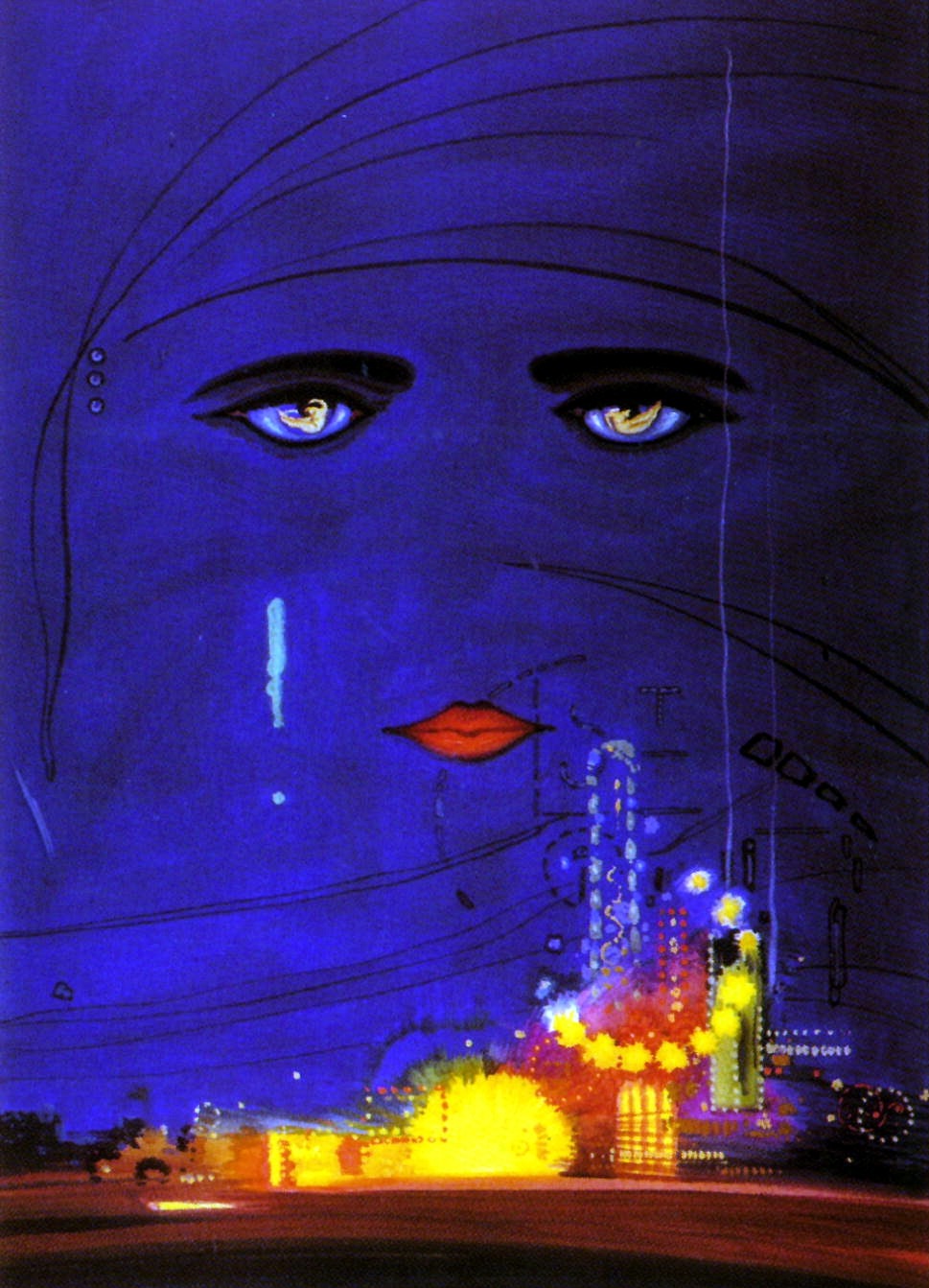
If the only book that F. Scott Fitzgerald had ever written was The Great Gatsby, he would still be one of America's most famous novelist. It is undoubtedly his magnum opus and is consistently ranked among the greatest works of American literature. In many ways it captures a moment in time, and in others it is a mirror reflecting not only its own generation, but that of every generation before and since.
The Plot:
It is the summer of 1922 and our narrator, Nick Carraway, has left his Midwestern hometown for a job in New York City. He rents a house on Long Island, across the bay from his cousin Daisy Buchanan and her husband, Tom. It isn't long before he his pulled into their glittering world. Tom even introduces him to his mistress, Myrtle, and he is at once shocked and intrigued by their lifestyle. But even more intriguing is his mysterious neighbor, Jay Gatsby. Gatsby's name is on everyone's lips, and his mansion is the home of some large and boisterous parties. No one really knows anything about Gatsby himself, but his parties are the place to be for New York society.
One day, Nick is informed that Gatsby and Daisy had a past romantic encounter, but she married Tom while Gatsby was off to war. Gatsby asks Nick to orchestrate a meeting between himself and Daisy. Nick agrees, and this meeting would begin a course of events that would ultimately shatter the worlds of each of the characters.
My Review (Caution - Spoilers):
I am probably one of the few people who did not read this book in high school. Though I was, of course, familiar with the title and it's place in American literature, I knew very little about the plot and point of the book. But with the recent release of Baz Luhrman's new film adaptation, I figured it was a good time to become fully acquainted with this classic.
While I'm not prepared to call this the greatest work of American literature (it didn't really beat To Kill a Mockingbird in my mind), it certainly deserves it's ranking near the top. Fitzgerald's writing is simply incredible. There are so many quotes that jump out and grab you; moments and thoughts that are beautifully captured in words. Phrases like "Her voice is full of money..." and "So we drove on toward death through the cooling twilight." just make you stop in your tracks. His words can't just be breezed through. They have to be savored and mulled over. Half the beauty of this book is found in the sentences that Fitzgerald created.
The other half is found in the intense symbolism found here. There is lots of it and no way I can talk about all of it in this one review. While much of the symbolism continues to speak to our modern world (like the elusiveness of the American Dream), ultimately this story encapsulates the world of the Roaring 20s. Like Gatsby, much of the world had an almost innocent quality until the early part of 20th century. After spending the years of World War I fighting, serving, and dying, we wanted to re-claim that innocence. We partied, drank, and spent money lavishly in order to recapture that carefree and happy lifestyle of years gone by. But the death and destruction had changed us forever. No matter how much we loved, drank, or spent there was just no going back.
Ultimately, there is nothing that I can say in this review that hasn't been said before. If you'd like to see an insightful (and funny) review, check out John Green's. Though it isn't necessarily a book that you will "connect with" or love, it is a book that must be read. It certainly deserves it's place among the great works of American literature.
The Movie:
There are two main film versions of this film. The first is the 1974 adaptation starring Robert Redford and Mia Farrow. I have not seen this version, but I know many people who really like it. Many also consider it to be the definitive version.
The other is this year's adaptation starring Leonardo DiCaprio, Carey Mulligan, and Tobey Maguire. This film got a lot of mixed reviews, but I actually liked it. Was it flashy and over the top? Sure, but isn't that exactly the kind of world Fitzgerald is describing? I thought that DiCaprio's portrayal of the beautiful, hopeful Gatsby was wonderful and (like the story) achingly beautiful. Mulligan also turned in a fantastic performance as the spoiled yet emotionally damaged Daisy. As far as the modern soundtrack, I though that was a bold decision that helped connect the story with our own time. If you are a diehard fan of the book, I'm sure you can find all kinds of little things that didn't seem to fit. But to this first time reader, it brought all of the color, drama, and heartache of the book to life in a very vivid way. Halfway through I was already dreading the end that I knew was coming. I think it is definitely worth seeing.
While I'm not prepared to call this the greatest work of American literature (it didn't really beat To Kill a Mockingbird in my mind), it certainly deserves it's ranking near the top. Fitzgerald's writing is simply incredible. There are so many quotes that jump out and grab you; moments and thoughts that are beautifully captured in words. Phrases like "Her voice is full of money..." and "So we drove on toward death through the cooling twilight." just make you stop in your tracks. His words can't just be breezed through. They have to be savored and mulled over. Half the beauty of this book is found in the sentences that Fitzgerald created.
The other half is found in the intense symbolism found here. There is lots of it and no way I can talk about all of it in this one review. While much of the symbolism continues to speak to our modern world (like the elusiveness of the American Dream), ultimately this story encapsulates the world of the Roaring 20s. Like Gatsby, much of the world had an almost innocent quality until the early part of 20th century. After spending the years of World War I fighting, serving, and dying, we wanted to re-claim that innocence. We partied, drank, and spent money lavishly in order to recapture that carefree and happy lifestyle of years gone by. But the death and destruction had changed us forever. No matter how much we loved, drank, or spent there was just no going back.
Ultimately, there is nothing that I can say in this review that hasn't been said before. If you'd like to see an insightful (and funny) review, check out John Green's. Though it isn't necessarily a book that you will "connect with" or love, it is a book that must be read. It certainly deserves it's place among the great works of American literature.
The Movie:
There are two main film versions of this film. The first is the 1974 adaptation starring Robert Redford and Mia Farrow. I have not seen this version, but I know many people who really like it. Many also consider it to be the definitive version.
The other is this year's adaptation starring Leonardo DiCaprio, Carey Mulligan, and Tobey Maguire. This film got a lot of mixed reviews, but I actually liked it. Was it flashy and over the top? Sure, but isn't that exactly the kind of world Fitzgerald is describing? I thought that DiCaprio's portrayal of the beautiful, hopeful Gatsby was wonderful and (like the story) achingly beautiful. Mulligan also turned in a fantastic performance as the spoiled yet emotionally damaged Daisy. As far as the modern soundtrack, I though that was a bold decision that helped connect the story with our own time. If you are a diehard fan of the book, I'm sure you can find all kinds of little things that didn't seem to fit. But to this first time reader, it brought all of the color, drama, and heartache of the book to life in a very vivid way. Halfway through I was already dreading the end that I knew was coming. I think it is definitely worth seeing.
Saturday, June 29, 2013
Happy Birthday To:
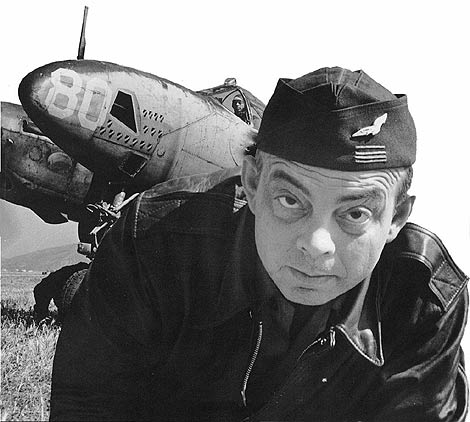
Antoine de Saint-Exupery
June 29, 1900
"Voici mon secret. Il est très simple: on ne voit bien qu'avec le cœur. L'essentiel est invisible pour les yeux."
"Here is my secret. It is very simple: It is only with the heart that
one can see rightly; what is essential is invisible to the eye."
-from The Little Prince
Wednesday, June 26, 2013
Possession
There are things that happen and leave no discernible trace, are not
spoken or written of, though it would be very wrong to say that
subsequent events go on indifferently, all the same, as though such
things had never been.
Ever since it's publication in 1990, A. S. Byatt's novel Possession has garnerd much acclaim. It received the Booker Prize, and was included on TIME Magazine's "TIME 100 Best English-language Novels from 1923-2005" list. Part historical fiction, part contemporary novel, it explores the worlds of Victorian literature, academic research, and relations between men and women.
The Plot:
Roland Mitchell is an obscure scholar studying the writings and life of the manly Victorian nature poet Randolph Henry Ash. A chance discovery in the London Library puts Roland on the scent of a possible relationship between Ash and another Victorian poet, the reclusive feminist Christabel LaMotte. Needing more information on LaMotte, Roland looks up Maud Bailey, a descendent of LaMotte's niece and a scholar of her works.
Though Maud is initially resistant to Roland's theories surrounding a possible romance between the two poets, she finds herself drawn deeper into the mystery with him. Their search takes them from the heart of the English countryside to the wild shores of Brittney. It isn't long before other academics begin to sense that an earth-shattering discovery is about to be made and soon the race is on to discover the truth and claim a piece of history for their own.
My Review (Caution - Spoilers):
I discovered this novel after seeing the film version. I found the story intriguing and wanted to find out more about the original. The story remains intriguing in the book, but of course the depth is much greater and Byatt explores many different themes.
As the title suggests, the main theme surrounding this story is the idea of possession. Roland and Maud's whole search is based on them possessing the knowledge of Ash and LaMotte's relationship, and yet they themselves are possessed by the search itself. The relations between lovers become complicated as each one tries to fully possess the other. And the various academics are most concerned with who will end up possessing the various documents relating to this discovery. The depth to which Byatt plays on this theme is incredible. It becomes obvious almost from the beginning that she is a very intelligent writer. Not only does she have to create the two parallel stories of Roland/Maud and Ash/LaMotte, but she is also responsible for the dozens of Victorian-style poems found throughout the novel. Her understanding of modern academia is also an incredible thing to read.
And yet for me, it was this very intelligence that became my downfall. To truly appreciate this novel, I think you have to possess a Ph. D. in either Victorian poetry or creative writing. There are entire chapters consisting of nothing but poems in the high Victorian style. And while it is important to read them so that you can fully grasp the meaning of later chapters, it is quite a chore. On top of that you have academics having long discussions about the poetry, long discussions about sexuality and feminism, and long discussions about the academic world itself. I often found myself bogged down in topics that I had no real interest in with no desire except to just get back to the story. On the surface it was something I should have loved, but it had such a heavy tone that it times it nearly overwhelmed me.
There are plenty of people who love this novel and it is REALLY well written, so I am in no way trying to discourage you from reading this. Just be prepared for a very intellectual novel with lots and lots of poetry. Not a horrible book, just not entirely my cup of tea. Maybe one day when I'm smarter I'll find time to give it another try.
The Movie:
The 2002 film version stars Aaron Eckhart as Roland, Gwyneth Paltrow as Maud, Jeremy Northam as Ash, and Jennifer Ehle as LaMotte. Obviously it is a very simplified version of the book with much of the focus staying on the various romances and the thrill of the search. I enjoyed the film, especially the parts involving Ash and LaMotte.
Trivia: This film reunites Paltrow and Northam who previously starred together in the film adaptation of Emma. May I say it was also interesting to see Mr. Knightley (Northam) get it on with Elizabeth Bennet (Ehle).
Subscribe to:
Posts (Atom)